
My work begins with a fascination for the hidden connections that run through nature, human experience and the universe — the patterns and structures that shape the world around us, even when we cannot see or fully understand them. Art is my way of exploring that mystery: of looking beyond the familiar and following intuition toward something deeper. Through colour, texture and material, these ideas become something tangible — something to see, feel and experience rather than simply explain. I create work that invites you into that same space of discovery — to slow down, look closely, and perhaps recognise something that feels both new and strangely familiar.
Paintings
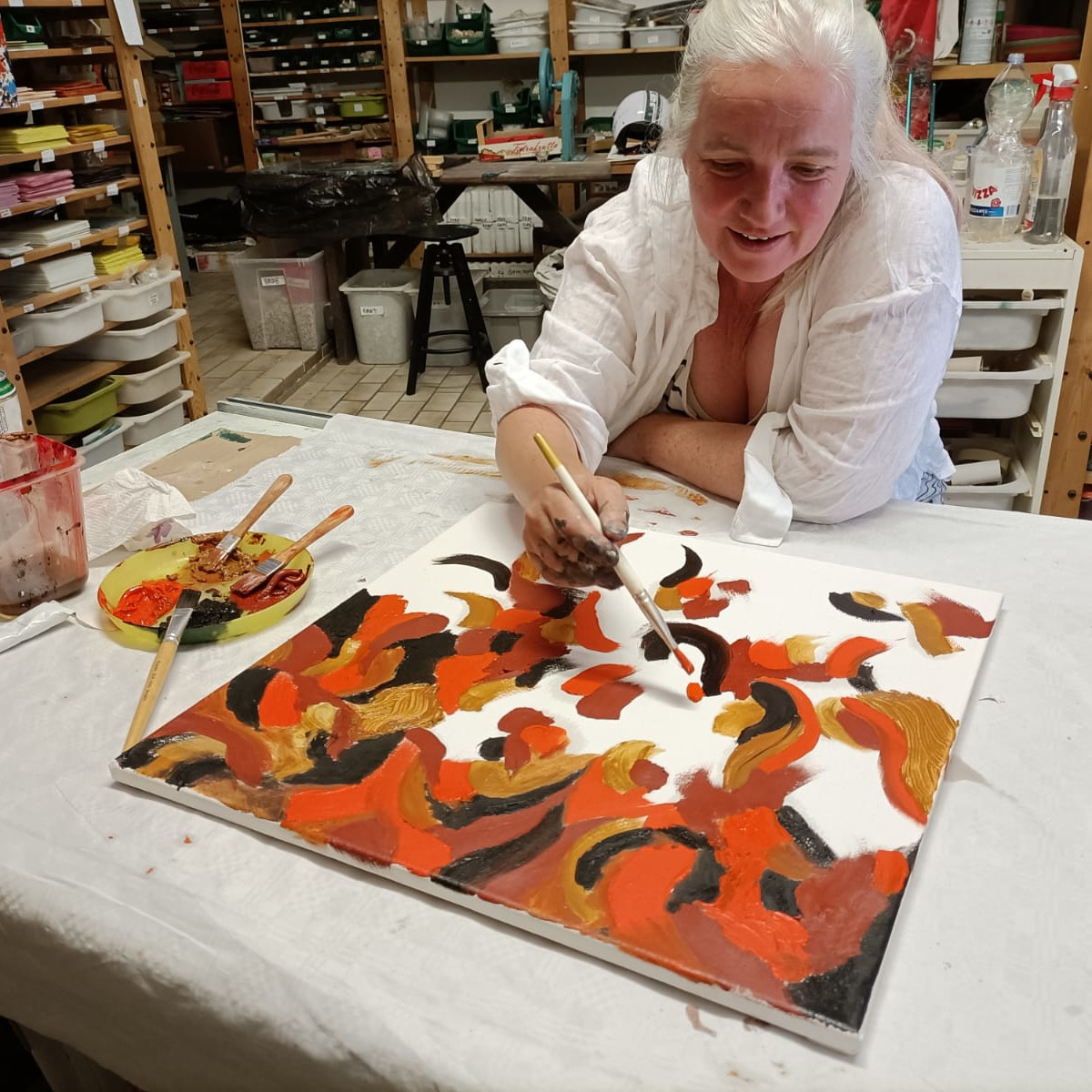
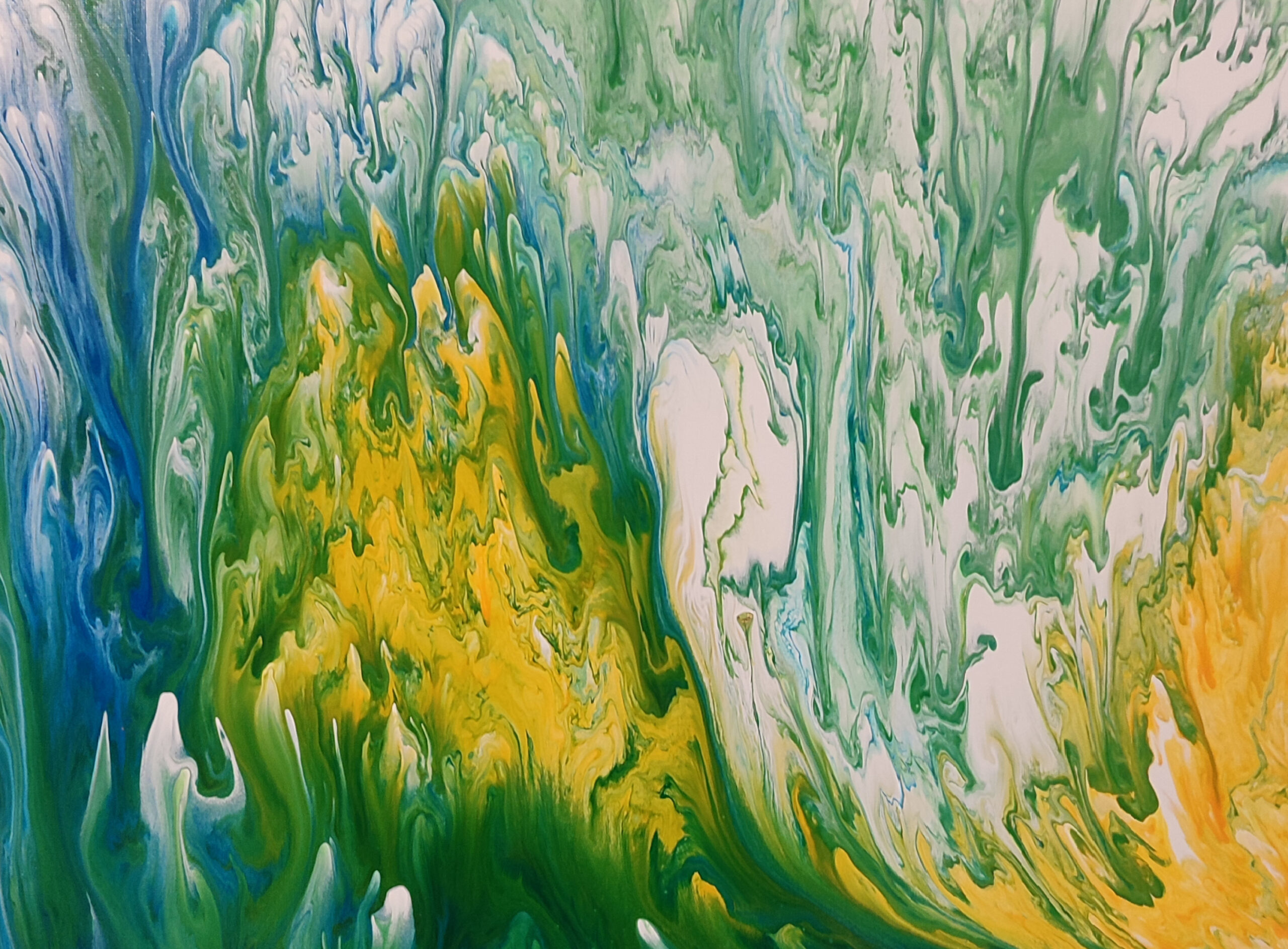
My paintings explore colour, movement and material as a language of their own, where forms and relationships emerge without needing to resolve into something familiar. Each work invites a slower kind of looking — a space to follow what you see, what you feel, and what you discover for yourself.
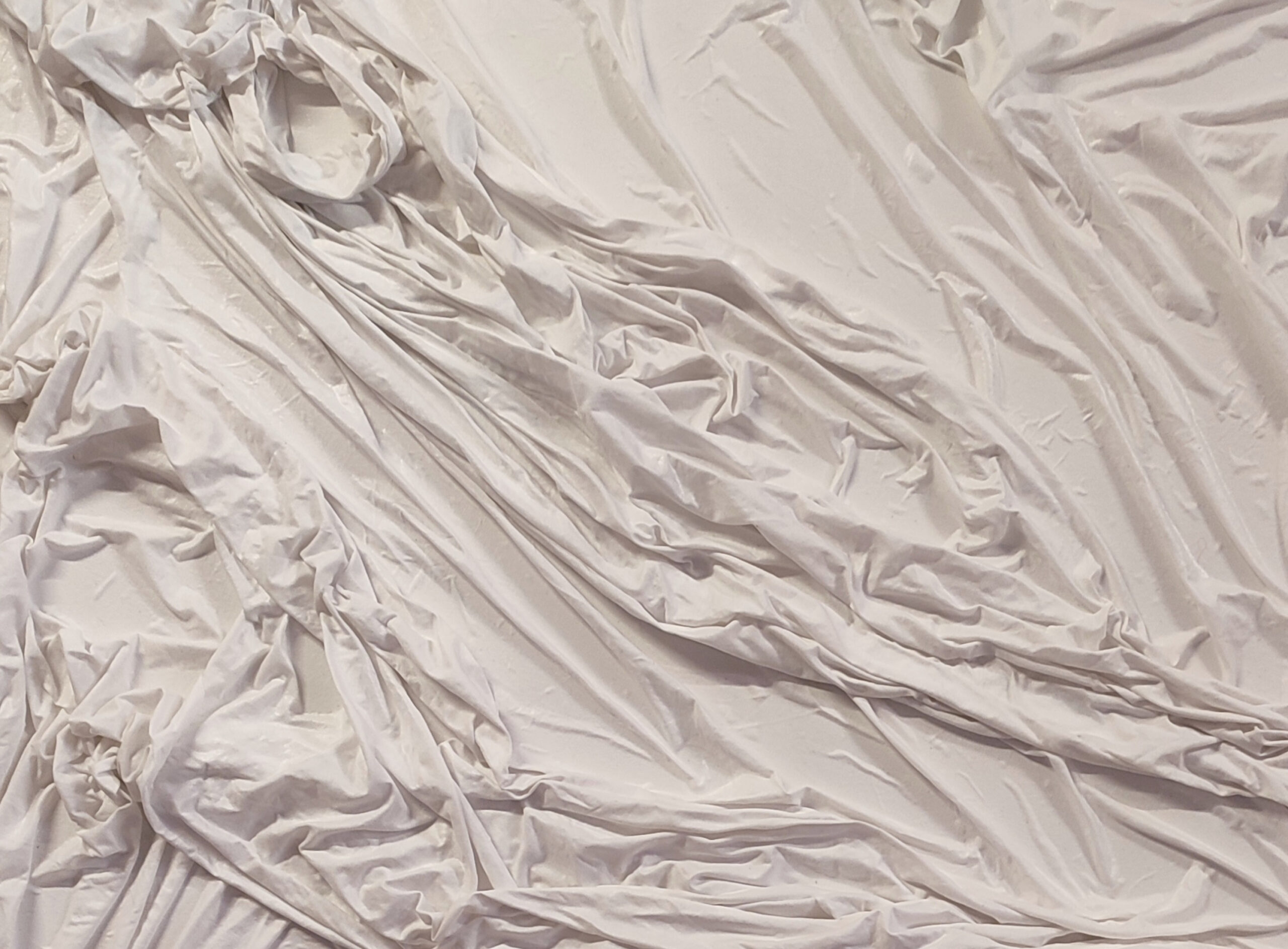
Texture Art
Touch is my favourite sense. I’m fascinated by the softness of fabric, the roughness of stone, the dryness of cement — and by what happens when very different materials meet. These works invite you to experience art not only through what you see, but through texture, surface and the instinctive desire to reach out and touch.
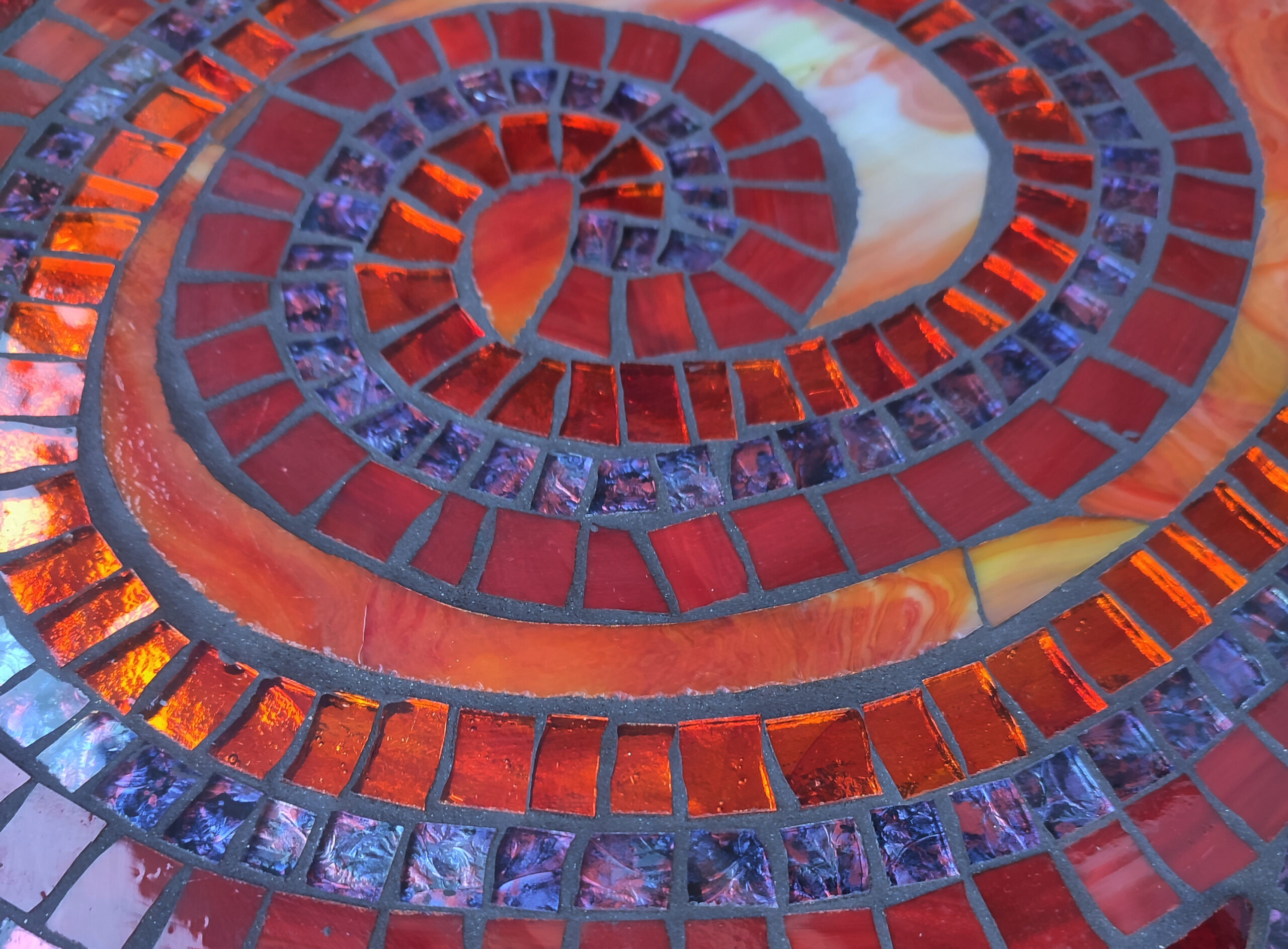
Mosaic
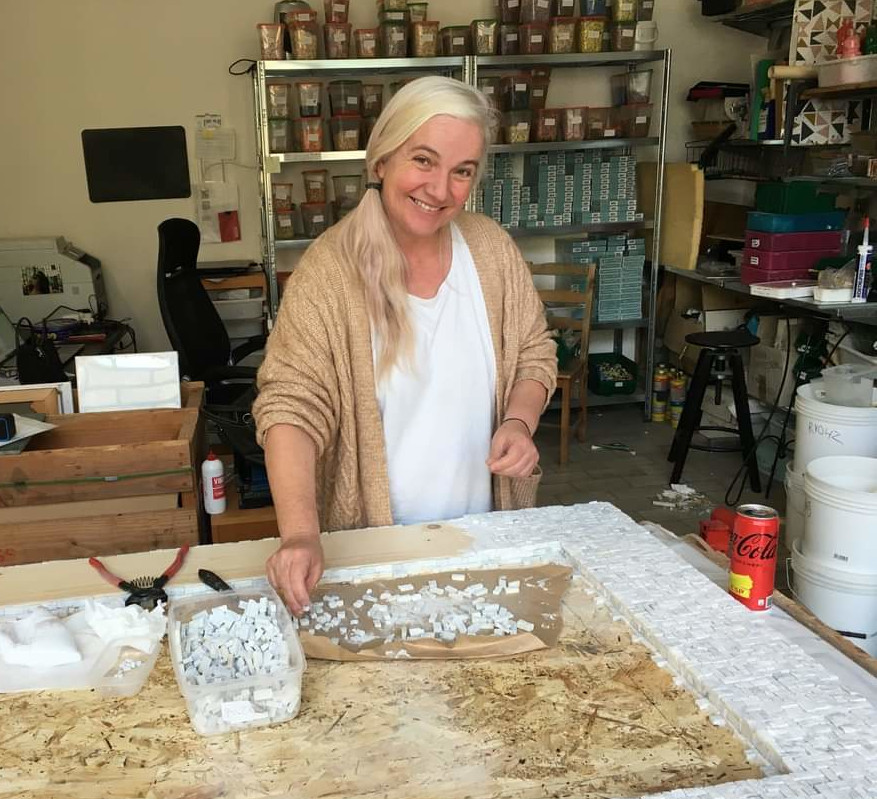
Every mosaic begins with a single piece. I’m fascinated by how hundreds or thousands of individual fragments can come together to form something entirely new — each retaining its own character while becoming part of a greater whole. From intimate artworks to monumental installations, mosaic is a language of connection, transformation and permanence.
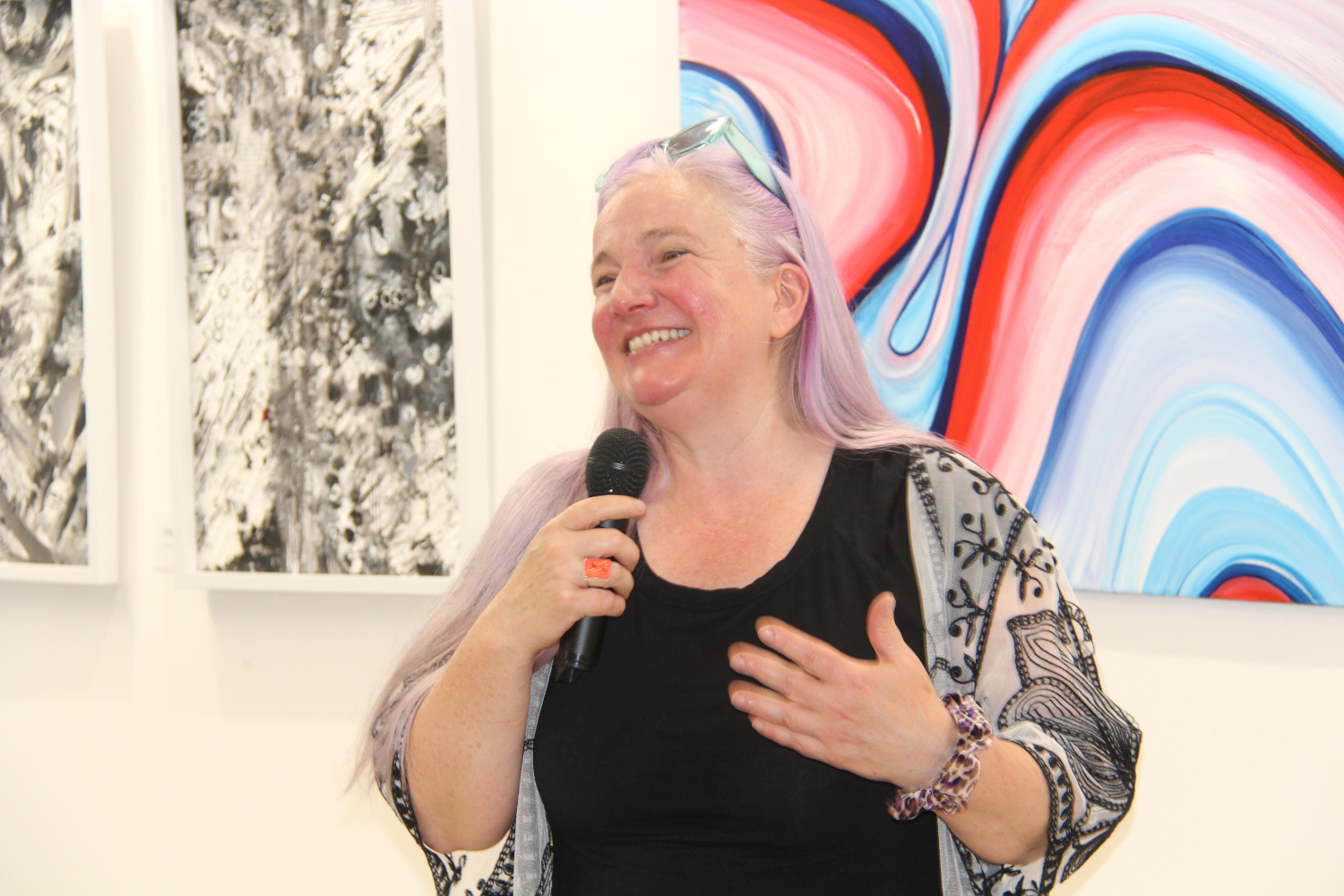
I am a Canadian-born contemporary artist based in northern Italy, working across painting, mixed media and mosaic. My practice has developed through years of exploration with colour, texture and unconventional materials, bringing together an instinctive approach to making with a deep curiosity about the natural world and our place within it. My work has been exhibited in Italy and internationally and continues to evolve through experimentation, observation and discovery.
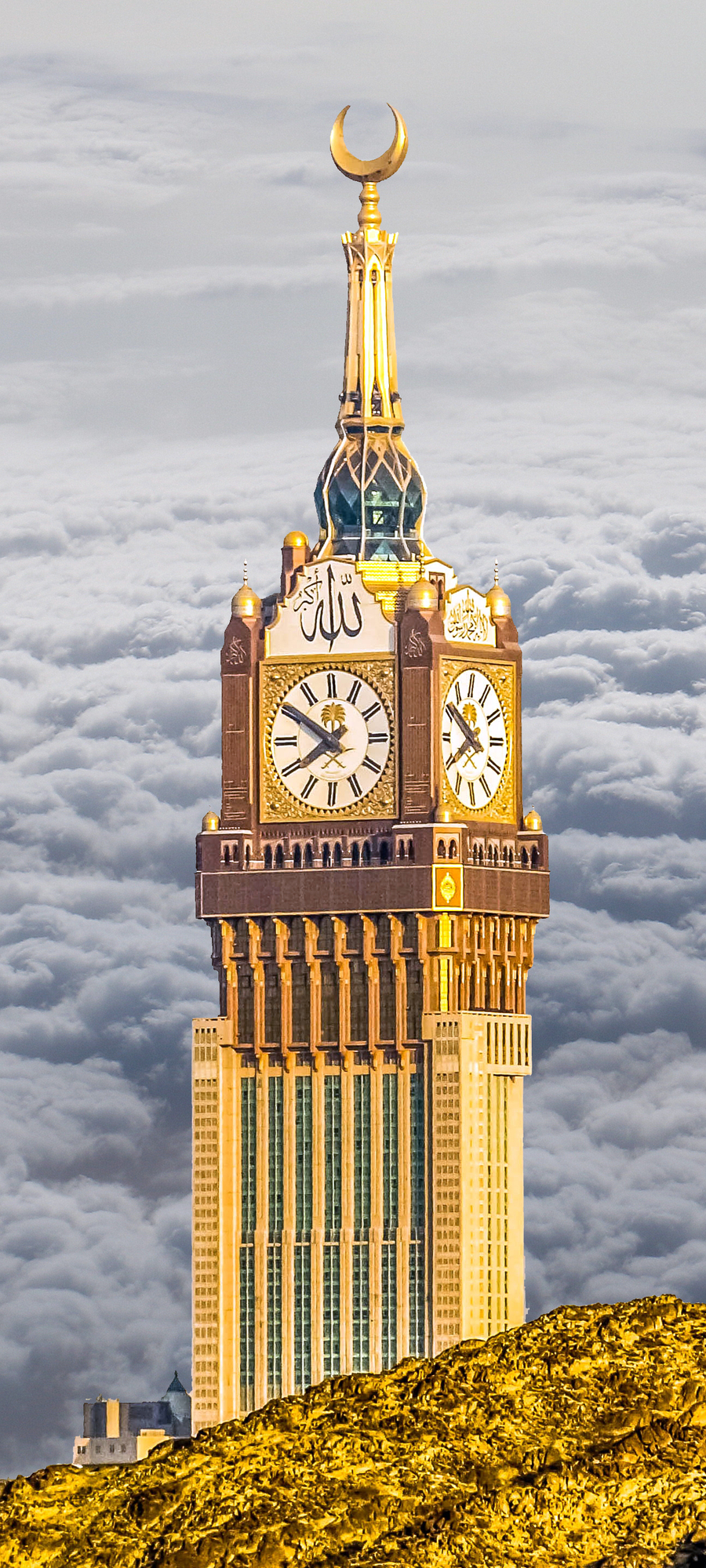
Projects and Commissions
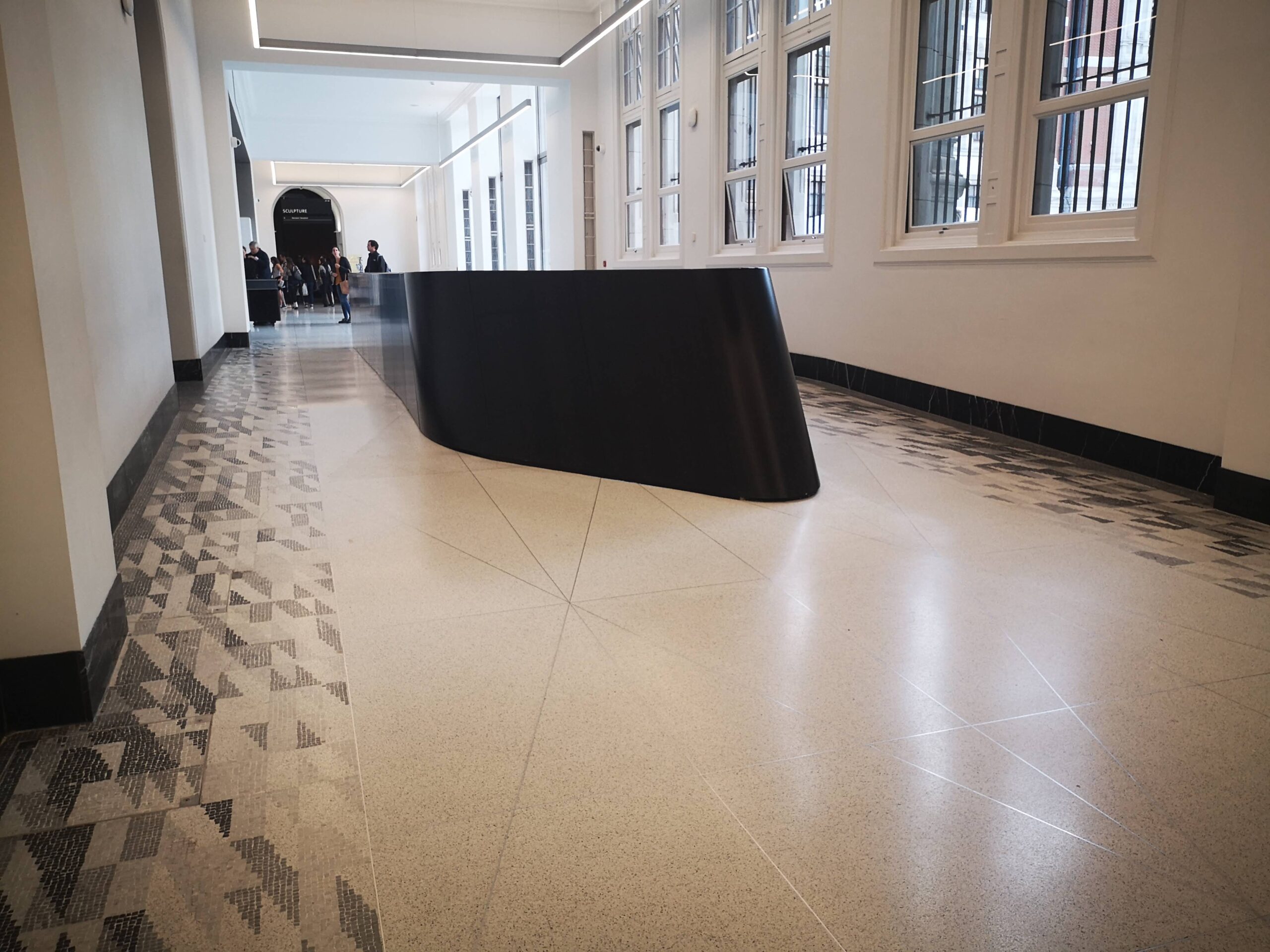
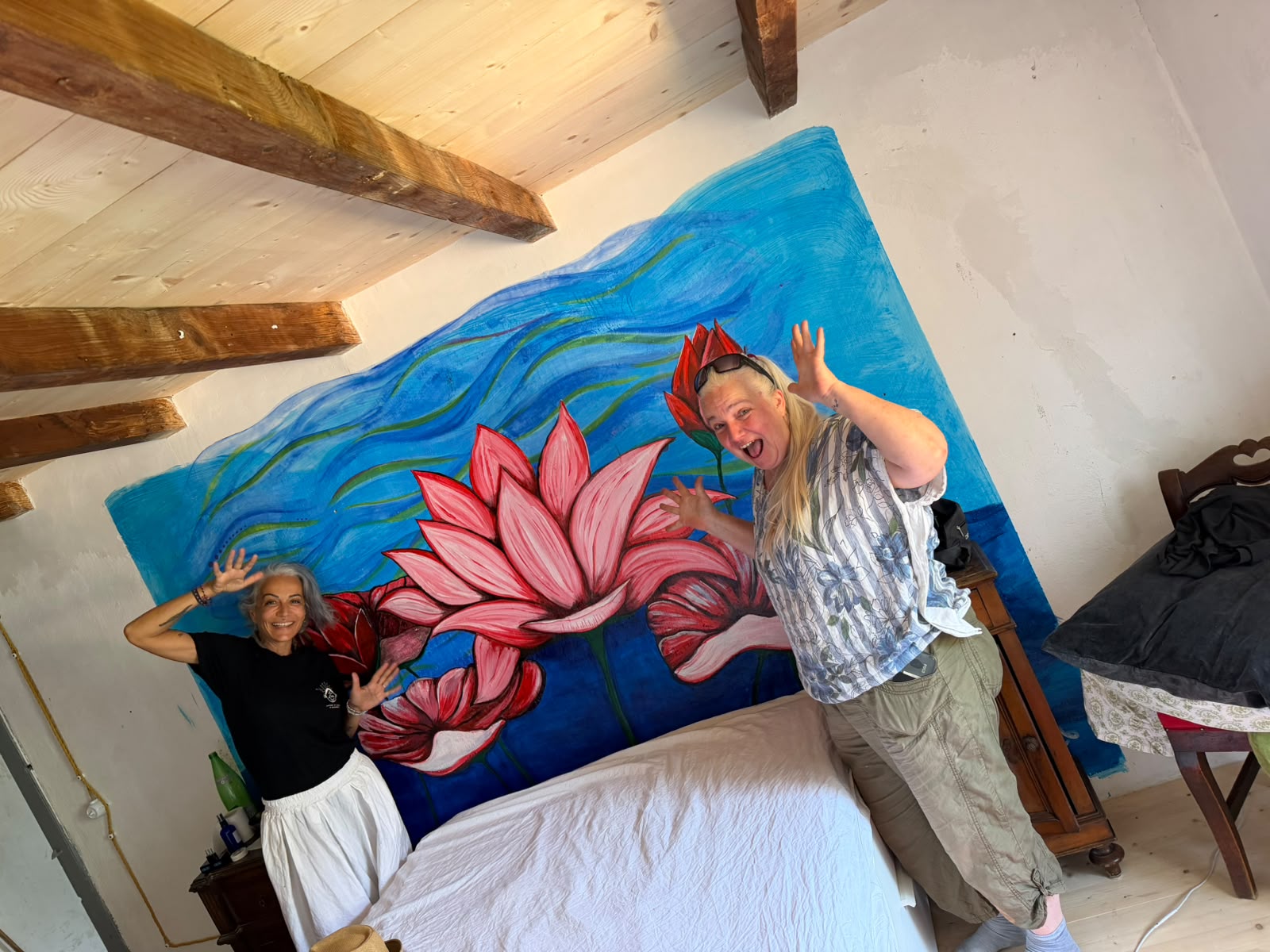
My work sometimes moves beyond the studio and into the spaces where people live, gather and connect. From large-scale mosaics and murals to site-specific commissions, these projects offer a different kind of creative challenge — responding to a place, its purpose and the people who will experience it, while allowing each work to develop its own character.
Over the years, this has taken me from major international projects including the Victoria and Albert Museum in London and the Abraj Al Bait complex in Mecca, to more intimate commissions such as a contemporary mural painted directly onto the ancient walls of a 13th-century toll tower in the mountains of northern Italy.
Process
My studio practice is rooted in curiosity, experimentation and the freedom to follow an idea without knowing where it will lead. I work intuitively, allowing colour, texture and materials to have their own voices — responding to what happens rather than forcing the work toward a predetermined outcome. Unexpected marks, accidents and discoveries become part of a conversation between intention and material, gradually revealing possibilities I could not have planned. For me, making art is as much an act of listening as creating: a way of stepping beyond what I already know and discovering what might emerge.
Exhibitions
2026 Budapest: “Rock, Paper, Scissors, Golden Duck Gallery
2025 Vestone: Fluire, solo show, galleria Glisenti, Vestone
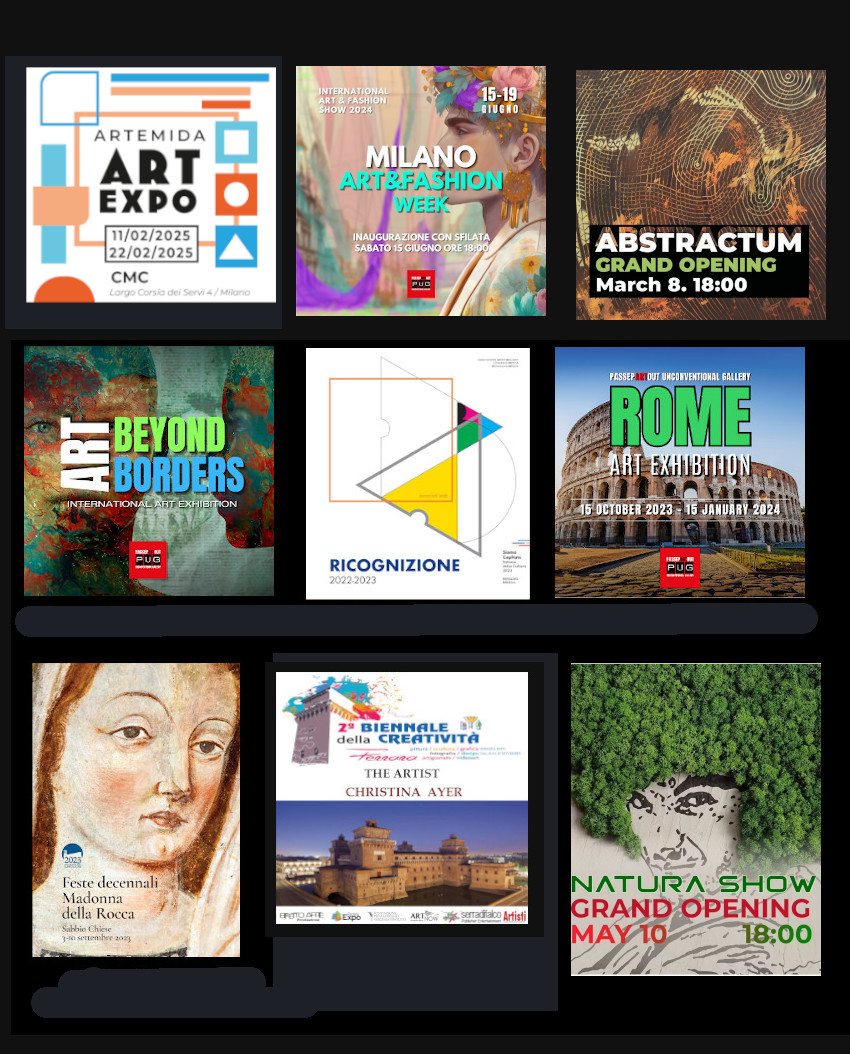
2025 Milan: Artemida Art Expo, Milan Cultural Center
2024 Milan: “Art & Fashion Week”, Unahotels Milan
2024 Budapest: “Natura”, Golden Duck Gallery
2024 Ferrara: “Biennale della Creatività”, Fiera di Ferrara
2024 Budapest: “Abstractum”, Golden Duck Gallery
2023 Milan: “Art Beyond Borders”. Passepartout Gallery
2023 Rome: “Roma Art International”. Passepartout Gallery
2023 Brescia: “Ricognizione”. Associazione Artisti Bresciani
2008 London:“Waterways”, Canal Museum, BAMM.
2007, York Minster, Yorkshire: “Symbols of Faith”, BAMM.
2007, Wolverhampton: “Breakout“, Bilston Gallery.
2005, Washington DC: ”:A More Perfect Union: Mosaic Aspirations”. Society of American Mosaic Artists (SAMA)
2004, Chartres: Biennale 5th Rencontres Internationales de Mosaique, Prix Piquassiette Juried Exhibition
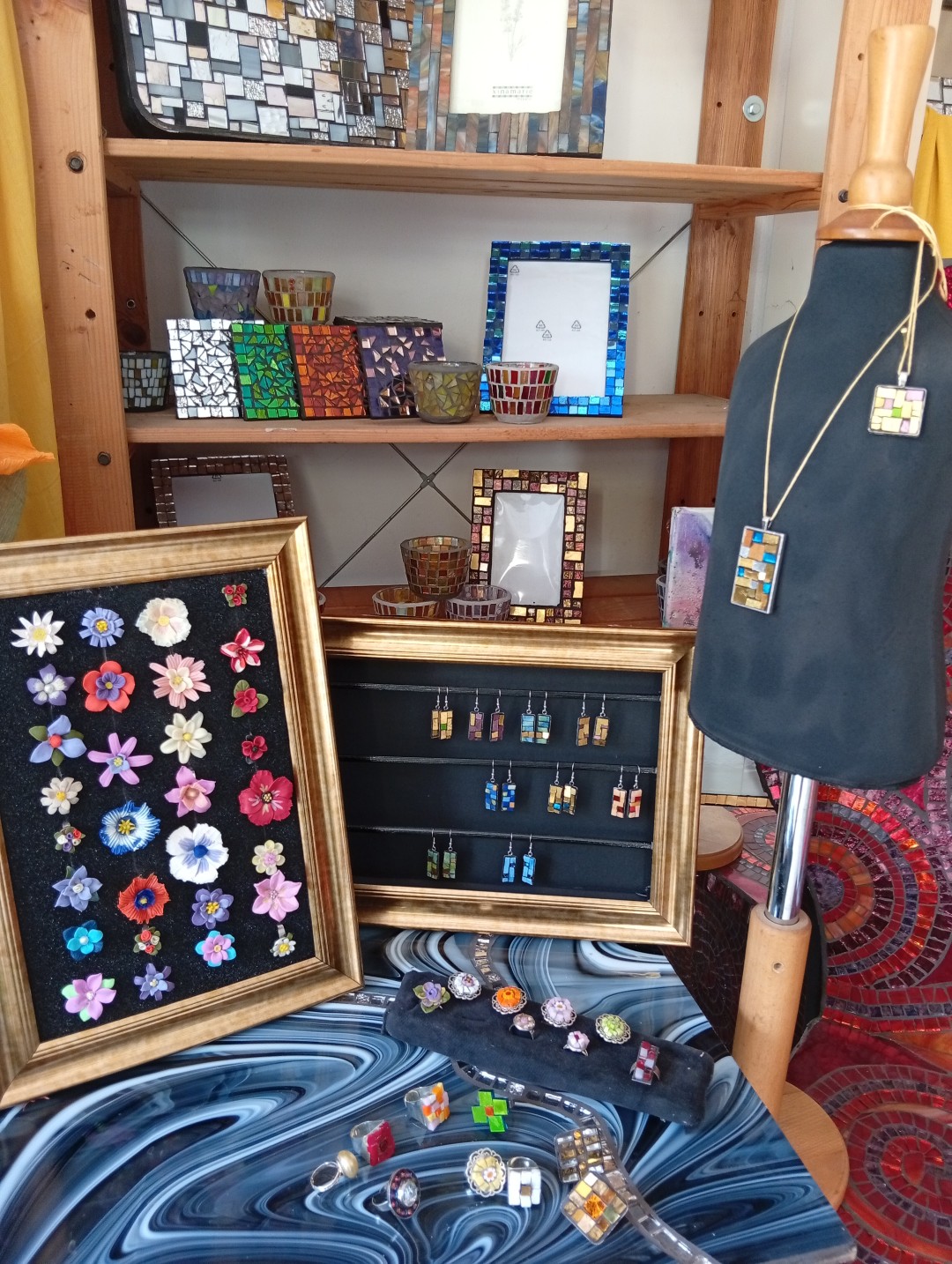
Gift Shop
Art doesn’t have to come with a big price tag. The Gift Shop is a collection of small, original and limited-edition pieces, all under €50 — little works of art made to be given, worn, used and enjoyed.
Discover handcrafted mosaic earrings, rings and pendants, flower rings, photo frames and signed limited-edition art prints. Each piece is unique or produced in limited numbers, and comes with a certificate of authenticity — a genuinely special gift without the gallery-sized price tag.